Review: I Paused My Game for Easter Gaming Design
As a designer who spends more time staring at stitch maps than most people spend watching TV, I approach every new digital embroidery file with a mix of excitement and skepticism. We have all been there: you buy a cute graphic online, load it into your software, and realize the density is a nightmare or the lettering is too fine for anything but a display piece. That is why I took a close look at the I Paused My Game for Easter Gaming design before committing it to a client project. This isn't just about whether the image looks good on a screen; it is about how it translates into thread, fabric, and a tangible handmade product that a customer will wear, wash, and love.
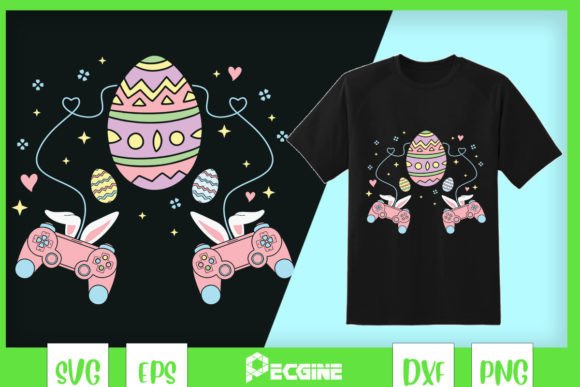
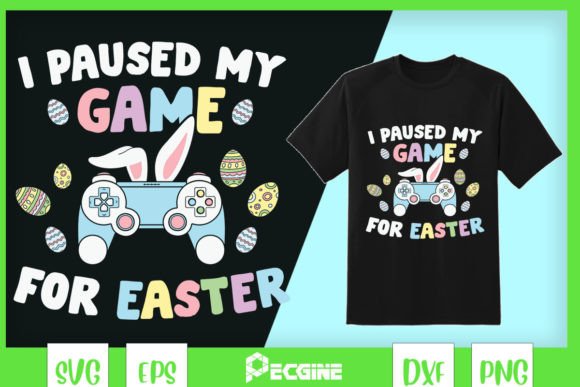
The first impression of this design is its playful juxtaposition. It merges the high-energy world of gaming culture with the soft, traditional aesthetics of Easter. For an Etsy seller or a boutique owner, this crossover is gold. It targets a specific niche—gamer parents, tech-savvy kids, or adults who refuse to give up their hobbies for holiday traditions. The layout feels balanced, likely offering enough negative space to prevent the dreaded "cardboard effect" where the fabric loses all drape due to excessive stitching. When evaluating a machine embroidery design like this, my immediate thought is always about the stitch density. If the bunny ears or the controller details are too filled in, the design will pucker on stretchy fabrics. However, the clean lines suggested by the vector source files (SVG, DXF, EPS) indicate that this should digitize well into a combination of satin stitch for outlines and manageable fill stitch areas for the solid colors.
Real-World Application: The Custom Sweatshirt Test
To truly gauge the value of this asset, I imagined a real-life scenario: a custom order for a local mom who wants matching custom apparel for her family's Easter photos. She requested hoodies for the dads and older kids, and onesies for the babies. This is where I Paused My Game for Easter Gaming shines. On a heavyweight cotton blend sweatshirt, the design has enough room to breathe. The text, which is the focal point, needs to be legible from a distance but crisp up close. In a practical embroidery project, I would recommend sizing this appropriately for the chest area of an adult hoodie, ensuring the smallest letters do not drop below 0.2 inches in height, which is generally the safe zone for standard home machines.
For the baby items, caution is key. Baby embroidery requires a lighter touch. If you are placing this on a onesie, you must consider the fabric texture and the delicate nature of infant skin. A dense block of stitching can be uncomfortable and cause irritation. In this case, I might suggest modifying the digitizing to use more running stitch details or reducing the fill density if your software allows, turning it into a lighter applique design option if you have the capability to layer fabric. The versatility of having SVG and EPS files means you can easily adjust the scale or separate elements to create a simplified version for smaller garments.
Navigating Fabric Challenges and Hoop Limitations
One of the most critical aspects of using pre-made graphics for embroidery is understanding where they might fail. While I Paused My Game for Easter Gaming is versatile, it is not universal. If you are planning to stitch this onto a structured cap, you need to be wary of the curved surface. Text that runs horizontally across a front panel can distort if the design is too wide or if the hoop size forces you to re-hoop awkwardly. For hats, a smaller, centered version of the graphic would work best, perhaps focusing just on the controller icon and the word "Easter" to maintain clarity.
Similarly, textured fabrics like terry cloth towels or waffle-weave aprons present a challenge. The loops of the towel can swallow fine details, making the text look jagged. For a tote bag design or kitchen towel, using a heavy-duty cut-away stabilizer is non-negotiable. You want the finished product to survive frequent washing without the stitches pulling out or the fabric gathering around the design. Dark fabrics are another consideration. Since the design files come with transparent backgrounds, you have the freedom to choose your thread colors. However, ensure you have high-contrast threads ready. A pastel yellow thread on a navy blue shirt might look muddy; opting for a bright white or vibrant neon accent could make the gaming theme pop while keeping the Easter vibe fresh.
Commercial Viability and Brand Consistency
For those running a craft business, consistency is everything. Your customers trust you to deliver a personalized gift that looks professional. Using a cohesive set of design assets helps build your brand identity. This specific design fits perfectly into a spring collection that appeals to modern families. It moves away from the overly frilly, traditional Easter motifs and offers something edgier yet still family-friendly. When creating printable mockups for your online shop, this design offers excellent visual appeal. It tells a story immediately, which increases buyer engagement and click-through rates on platforms like Etsy or Shopify.
However, before listing this as a small shop product, you must verify the licensing terms associated with the download. The product description mentions it includes SVG, PNG, DXF, and EPS files, which is fantastic for flexibility, but it does not explicitly state the commercial license limits in the snippet provided. Always confirm whether you can sell unlimited physical items or if there is a cap. Selling commercial embroidery products based on unclear licenses can lead to serious issues down the road. Assuming the license permits commercial use for physical goods, this design is a strong contender for high-margin items like embroidered patches or premium nursery decor.
Final Verdict for the Practical Maker
In conclusion, I Paused My Game for Easter Gaming is a robust choice for designers looking to expand their holiday offerings beyond the standard bunny and egg motifs. Its strength lies in its relatability and the clean structure that suggests it will stitch out cleanly on a variety of mediums, from sweatshirt embroidery to decorative pillow covers. The inclusion of multiple file formats ensures that whether you are a hand-appliqué artist needing a cutting template or a machine embroiderer needing a precise outline, you are covered.
My advice before starting production is simple: test the design on scrap fabric first. Check the tension, review the back of the hoop for excessive thread buildup, and ensure the thread color contrast works on both light and dark materials. Pay special attention to the small details in the controller buttons or the text serifs; these are the areas where poor digitizing usually shows up. If the test run looks crisp and the fabric lays flat, you have a winner. This design has the potential to be a bestseller for holiday embroidery collections, offering a fun, modern twist that resonates with a wide audience. Just remember, the quality of your finished product depends as much on your execution and material choices as it does on the initial graphic. Happy stitching!