Scary Bat Halloween Pixel Art: Graphics & Crafts
As a graphic designer who has spent over a decade refining brand identities and creating marketing visuals for small businesses, I approach every new digital product with a critical eye. It is not enough for an asset to simply look "cool." It must function within a broader visual ecosystem. Recently, I evaluated Scary Bat Halloween Pixel Art for a potential client project involving a boutique handmade business launching a seasonal Etsy product line. My goal was to determine if this specific illustration could elevate their packaging design and social media graphics without compromising the professional polish their customers expect.
First Impressions: Mood and Visual Style
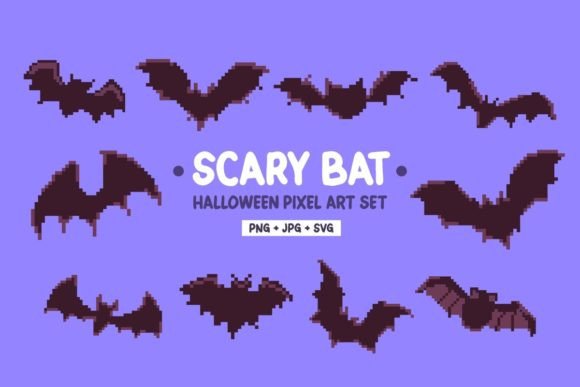
The immediate impact of Scary Bat Halloween Pixel Art is its nostalgic yet menacing charm. In an era where modern design often leans toward ultra-minimalism or hyper-realistic 3D renders, pixel art offers a distinct retro aesthetic that resonates deeply with millennial and Gen Z audiences. This spine-tingling creation captures the essence of 8-bit gaming culture while delivering the frightful fun required for Halloween-themed projects. The menacing bat is rendered with sharp, deliberate pixels that create a sense of movement and aggression, making it far more engaging than generic clipart.
For a designer, the style represents a bridge between playful nostalgia and seasonal horror. It fits naturally into projects targeting gamers, tech-savvy crafters, or brands that want to appear approachable yet edgy. When reviewing this as a graphic design asset, I noted that the high-contrast nature of pixel art ensures it stands out, provided it is paired with appropriate typography and background elements.
Real-World Application in Client Projects
The true test of any digital product is its versatility. During my review, I simulated how this bat illustration would perform across various mediums for a hypothetical client running a print-on-demand store. Here is where this asset shines:
- T-shirt Design and Merchandise: Pixel art scales exceptionally well for apparel. The blocky nature of the design translates perfectly to screen printing and sublimation design processes. I envision this working brilliantly on black hoodies or orange tote bags, where the stark contrast of the bat creates a bold statement piece.
- Social Media Graphics: For Instagram posts and Pinterest pins, the asset serves as an excellent hero graphic. Its recognizable shape grabs attention in a crowded feed. When used in Canva templates, it adds a unique flair that standard stock photos lack, helping small business branding stand out during the October rush.
- Packaging Design and Stickers: As a decorative accent on product labels or as a standalone sticker design, the bat adds a touch of personality. It works well as a seal on envelope flaps for invitation suites or as a thank-you sticker included in shipped orders.
- Cricut Projects and Crafts: For crafters using cutting machines, the clean lines of pixel art are ideal. Whether used for vinyl decals on mugs or iron-on transfers for DIY costumes, the simplicity of the shape ensures easy weeding and application.
Strategic Placement and Visual Hierarchy
Understanding where to place Scary Bat Halloween Pixel Art is crucial for maintaining visual hierarchy. In my mockups, I found that this illustration performs best when given ample breathing room. It should not be cramped by excessive text or competing elements. Ideally, use it as a focal point in large layout areas, such as the center of a poster or the primary image on a landing page.
However, designers must exercise caution. Pixel art can lose its definition if scaled down too small or placed against complex, noisy backgrounds. I advise against using this asset in minimalist corporate materials or projects requiring a very clean, sophisticated visual hierarchy unless the brand voice specifically embraces retro gaming aesthetics. In low-contrast designs, the details of the bat’s wings and eyes may blur, reducing the emotional appeal and recognition factor.
Designer Notes: Technical Checks and Best Practices
Before integrating any commercial design asset into a client deliverable, rigorous testing is non-negotiable. Here are the practical steps I took when evaluating this file:
- Contrast Testing: I placed the bat on both light and dark backgrounds. While it excels on dark modes, ensure you adjust the color palette if using it on white paper for printable design outputs. A slight drop shadow or outline can help separate the pixel edges from busy backgrounds.
- Typography Pairing: Pixel art demands specific font choices. I tested it against serif, sans serif, script, and display fonts. The result was clear: blocky display fonts or retro-inspired sans serifs complement the bat best. Avoid elegant script fonts, as the clash in styles can confuse the viewer and weaken brand consistency.
- File Format Inspection: Verify whether you are working with a PNG design with transparency or an SVG design. For web design and digital ads, PNGs are standard. However, if you plan to scale the image for large-format printing or edit individual nodes, an SVG or vector file is superior. Always confirm the resolution is high enough for your intended use case.
- Licensing Verification: Never assume. Check the commercial license terms explicitly. If you are creating an Etsy product or a print-on-demand item, ensure the license covers resale and mass production. Protecting your client from copyright issues is part of professional service.
Enhancing Brand Identity and Engagement
Incorporating Scary Bat Halloween Pixel Art into a design bundle can significantly boost audience engagement. It taps into a shared cultural language of retro gaming, creating an instant connection with viewers. For a handmade business, this type of creative design signals that the brand is current, playful, and attentive to detail. It transforms a standard seasonal promotion into a memorable visual experience.
When used in editorial design or blog visuals, the bat acts as a thematic anchor, guiding the reader through the content with a consistent mood. It reinforces the seasonal narrative without relying on clichéd pumpkins or ghosts, offering a fresher take on Halloween imagery. This uniqueness can improve visual trust, as customers perceive the brand as innovative rather than derivative.
Final Verdict for Professional Use
After thorough evaluation, I conclude that Scary Bat Halloween Pixel Art is a valuable addition to any designer’s toolkit for seasonal campaigns. It is not just a simple clipart; it is a versatile illustration that supports diverse applications from web design to physical crafts. Its strength lies in its bold, retro aesthetic that commands attention while remaining adaptable to various merchandise types.
For designers working with small business branding, this asset offers a cost-effective way to produce high-impact marketing visuals. By respecting its limitations regarding size and background complexity, and by pairing it with compatible typography, you can create polished, professional results that delight clients and customers alike. Whether you are designing a Cricut project, a sublimation mug, or a social media campaign, this pixel art masterpiece provides the perfect blend of fright and fun needed to succeed in the competitive creative marketplace.